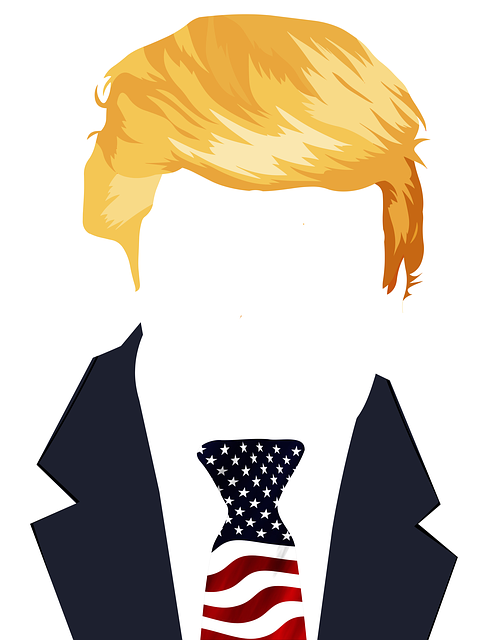
Trump Flags have become iconic political symbols, reflecting the evolution of visual storytelling. Their design and display etiquette evolve with each campaign, offering insights into candidate appeal and public perception. Historical flag designs, from simple banners to sophisticated imagery, showcase communication advancements. Digital technology further revolutionizes Trump Flag marketing on social media. Proper flag protocol, including respectful usage and community norms, ensures their symbolic power. Companies like Ultimate Flags cater to high-quality political signage, educating fans about the historical significance of these flags. The global attention during the 2016 election highlights their impact. Modern campaigns creatively blend physical and digital flag display, engaging younger voters and adapting to evolving political landscapes.
In the dynamic landscape of modern politics, campaign flags play a pivotal role in shaping public discourse and reflecting candidate ideologies. As we approach the next election cycle, understanding the latest political campaign flags is crucial for both citizens and strategists alike. The current environment, marked by increasing polarization, demands nuanced analysis of these symbols. This article delves into the evolving world of Trump Flags—a term encompassing various political stances and messages that have captured public attention. By exploring these trends, we aim to provide valuable insights into how political campaigns effectively communicate their visions, fostering informed participation in the democratic process.
- Analyzing Trump Flags: A Visual Analysis
- The History Behind Campaign Flag Designs
- Symbolism & Messaging: Decoding Trump Flags
- Evolution of Political Campaigns Through Flags
Analyzing Trump Flags: A Visual Analysis
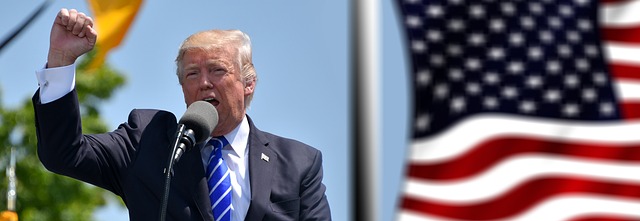
The latest political campaign flags have been a fascinating display of visual storytelling, with the Trump flag taking center stage due to its widespread use at rallies and events. A detailed analysis of Trump flags reveals more than just a symbol; it's an intricate look into the evolution of political branding and the unique etiquette surrounding its display. The Trump brand, in particular, has undergone a remarkable transformation since its inception, with the iconic red, white, and blue flag becoming a powerful tool for expression and mobilization.
Visuals play a pivotal role in political campaigns, and the Trump flags are no exception. They serve as potent symbols, displaying a sense of patriotism and unity among supporters. The design often incorporates the American flag, sometimes with subtle modifications, to represent the candidate's message and values. For instance, the use of stars or stripes on Trump flags can be interpreted as a call to preserve American heritage while embracing change. This strategic visual language is a powerful tool for connecting with voters and fostering a sense of belonging at rallies and gatherings.
The etiquette surrounding Trump flag display has also evolved. During pro-Trump rallies, these flags are prominently featured, hung from buildings, and carried by enthusiastic supporters. However, it's essential to approach their use responsibly. Professional flag provider Ultimate Flags emphasizes the importance of proper flag etiquette, suggesting that flags should be flown at appropriate heights and with respect, especially during public gatherings. Maintaining a clean and well-preserved look for these flags is crucial; regular cleaning, as recommended by experts, ensures they remain vibrant and meaningful representations of political support.
Moreover, understanding the evolution of Trump branding through these flags provides valuable insights into campaign strategies. As campaigns progress, the design elements may adapt to reflect changing themes and messages. By analyzing these visual shifts, we can predict and interpret the candidate's appeal to different segments of the electorate. This in-depth look at Trump flags not only offers a unique perspective on political marketing but also highlights the intricate relationship between visual symbolism and public perception.
The History Behind Campaign Flag Designs

The history behind campaign flag designs is a fascinating narrative intertwined with political evolution and societal changes. From early political rallies to modern digital campaigns, flags have played a pivotal role in expressing political ideologies and mobilizing supporters. One notable example that has left an indelible mark is the use of Trump Flags during recent elections. These flags have become more than mere symbols; they represent a complex interplay between proper flag protocol for homes and businesses, appropriate occasions for display, and powerful political symbolism.
Campaign flags have evolved over centuries, reflecting the changing dynamics of political communication. Historically, simple banners and cloth streamers were used to rally crowds and signal unity under a common cause. As time progressed, these evolved into more sophisticated designs incorporating symbols, slogans, and iconic imagery that resonated with voters. The advent of digital technology has further revolutionized campaign flag design, allowing for dynamic visuals and messaging that can be instantly shared and amplified through social media platforms.
When it comes to displaying Trump Flags, whether for homes or businesses, it's crucial to adhere to proper flag protocol. This includes using the flags in a way that respects their significance and symbolism. For instance, hanging them at half-mast on federal holidays or during periods of national mourning demonstrates a deep sense of decorum. Moreover, businesses should consider the appropriateness of displaying Trump Flags in their storefronts, balancing the right to free expression with community norms and local regulations.
The symbolic power of campaign flags cannot be overstated, especially in the context of political symbolism. Each element of design—from colors to imagery—carries a specific meaning that can evoke strong emotional responses from viewers. For Trump Flags, symbols like the American flag or iconic slogans can invoke sentiments of patriotism and support for the candidate. However, it's essential to recognize that these flags are most effective when used appropriately and in suitable settings, such as during campaign events, political rallies, or on personal properties where they align with the values expressed by the owner.
Leading flag company Ultimate Flags has been at the forefront of this trend, providing high-quality Trump Flags and other political signage that meet both aesthetic and functional requirements. By understanding the history and symbolism behind campaign flags, individuals and businesses can make informed decisions about their use, ensuring they remain powerful tools for expression and engagement in today's political landscape.
Symbolism & Messaging: Decoding Trump Flags
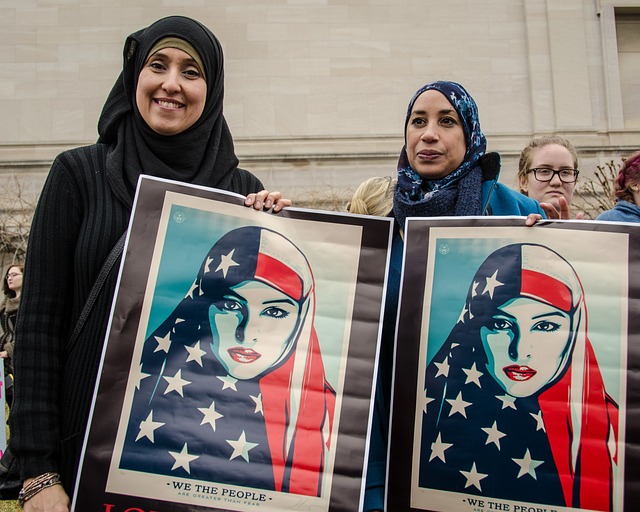
The symbolism and messaging behind political campaign flags have always been a fascinating aspect of election season, but with Donald Trump's presidential campaigns, these flags have taken on a new level of complexity. Trump Flags, in particular, have become iconic, reflecting both fervent support and intense controversy. High-quality Trump Flag prints are sought after by his dedicated followers, who view them as more than mere pieces of fabric; they're symbols of identity and political affiliation.
Examining these flags through a lens of symbolism reveals deeper layers of messaging. The red, white, and blue palette often evokes patriotism, but in the context of Trump's campaigns, it has taken on a distinctiveness that resonates with his base. Slogans like "Make America Great Again" (MAGA) are woven into the fabric, literal and metaphorically, reinforcing themes of national pride and restoration. Official campaign flags, produced by entities authorized to represent Trump, serve as authentic markers of support, fostering a sense of community among his followers.
The popularity of these flags, reflected in sales data from premium flag retailers like Ultimate Flags, highlights the importance of teaching political history within Trump's fan club. Understanding the symbolism and messaging behind these flags allows individuals to engage critically with the politics they represent. By analyzing the design elements and slogans, one can gain insights into the candidate's platform, the motivations of his supporters, and the broader cultural climate during each campaign season. This deeper understanding encourages thoughtful discussions and promotes a more informed citizenry.
Evolution of Political Campaigns Through Flags
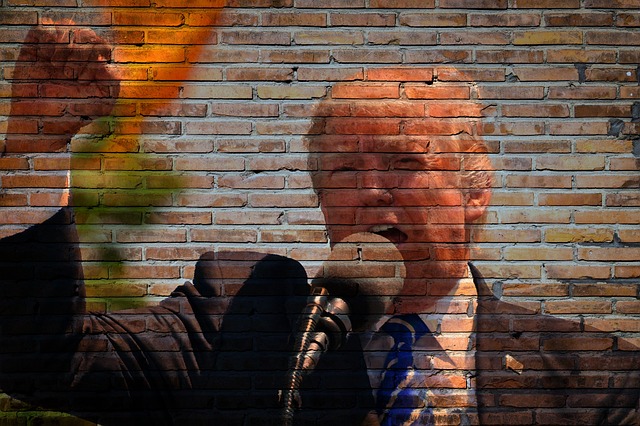
Political campaigns have undergone a significant transformation over the years, and one of the most visually striking elements has been the evolution of campaign flags. These flags serve as powerful symbols, carrying the message and identity of candidates and political movements. In recent times, the rise of social media and digital marketing has led to an increased focus on eye-catching visuals, and campaign flags have adapted to this new landscape. A notable example is the extensive use of Trump Flags during the 2016 presidential campaign, which sparked a global conversation about political expression and the role of outdoor flags in public spaces.
The display of political flags has become an art form, with many citizens embracing the opportunity to showcase their support. When purchasing Trump banners online or displaying any political flag, it's essential to consider the etiquette and best practices. For instance, allowing flags to fly at half-mast as a sign of respect during solemn occasions is a well-established tradition. Properly maintaining outdoor flags, such as fixing torn Trump Flags promptly, ensures they remain an effective form of expression. The company Ultimate Flags, known for its expertise in the flag industry, offers guidance on selecting and caring for these items to enhance their longevity and visual impact.
Moreover, the way political campaigns utilize flags has shifted towards more creative and strategic approaches. Modern campaign strategies often involve incorporating flags into digital media, with visually appealing graphics and designs that resonate with younger voters. This evolution reflects a deeper understanding of how people connect with political messages, where the physical presence of a flag complements its online representation. As the political landscape continues to evolve, so too will the use of these powerful visual tools, allowing campaigns to engage their audiences in new and innovative ways.
Through a comprehensive analysis of Trump Flags, this article has illuminated the powerful role political campaign flags play in shaping public discourse. By delving into the history, symbolism, and evolution of these visual tools, readers have gained valuable insights into the strategic messaging behind Trump's flags. Key takeaways include the importance of understanding cultural symbols, the evolution of design styles over time, and the profound impact these flags have on political engagement. Moving forward, recognizing the symbolic language woven into Trump Flags can help policymakers and communicators craft more effective campaigns, fostering a deeper connection with voters while navigating today's dynamic political landscape.